The charging schedule that actually runs your fleet
Fleetvolts is a decision engine. Feed it routes, vehicle history, and depot power capacity. It produces tonight's charging schedule, ready to push to your charger network.

Route-aware energy models, not fleet averages
Every vehicle gets its own kWh forecast before it leaves the depot. The model accounts for planned route distance, elevation profile, ambient temperature, and vehicle class history. Auxiliary loads, reefer units, lift-gates, HVAC, are factored in separately. When dispatch changes a route at 3pm, the energy estimate updates immediately.
- Per-vehicle kWh need, calibrated from actual telematics history
- Re-estimates automatically when a route changes same-day
- Auxiliary load accounting: reefer, HVAC, lift-gate, each modeled separately
Schedule against price, capacity, and departure time, simultaneously
Each charging session is treated as a constrained optimization problem: push electricity cost down by hitting TOU off-peak windows, keep total depot load under the transformer kVA ceiling, and guarantee every vehicle reaches its minimum SOC before its next departure. When a vehicle returns early or late, the whole schedule recalculates, not just that one vehicle's window.
- Charges scheduled into TOU off-peak valleys by default
- Hard constraint on transformer kVA: no session pushes combined load past the ceiling
- Full schedule recalculates within seconds on early or late vehicle returns
Pushes charge profiles to your EVSE directly
Fleetvolts speaks OCPP 1.6 and 2.0 natively. Once a schedule is confirmed, smart charging profiles are pushed to each EVSE at the session start time. No manual entry at the charger, no operator intervention. If you replace a charger unit with a different brand, the integration works the same way, because the protocol is open.
- OCPP 1.6 SmartCharging profile support
- OCPP 2.0 smart charging extensions
- Automatic EVSE re-assignment on vehicle swap
- Session-level energy accounting
Know where every kWh went
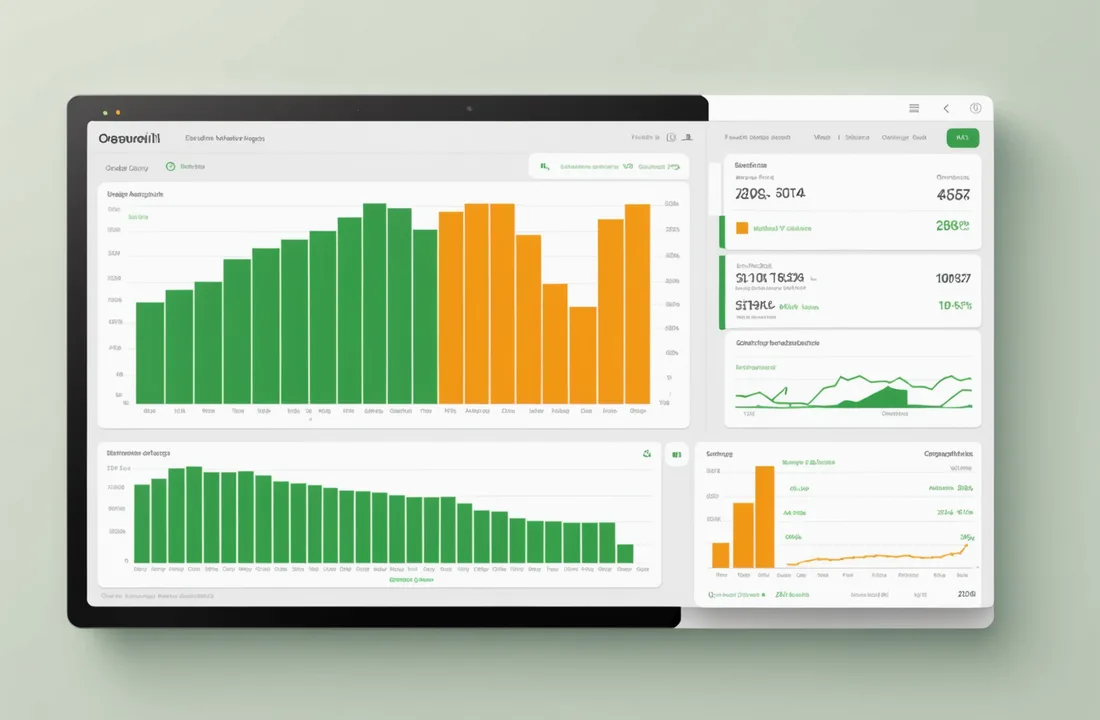
Every charging session is logged at the vehicle level: kWh delivered, cost at the session tariff rate, and contribution to the depot's monthly demand peak. The monthly demand charge report shows the 15-minute interval peak for each billing period, alongside the scheduled versus unscheduled counterfactual. Export to CSV for the finance team, or pull via REST API to feed your own reporting stack.
- Per-vehicle daily kWh and cost attribution by tariff period
- Monthly 15-minute interval peak report with scheduling impact
- CSV export and REST API for custom reporting integration
Route data stays in your tenant, not shared across fleets
Fleet route plans and vehicle telematics contain operationally sensitive information. Fleetvolts applies strict per-tenant data isolation: your route and vehicle data is never accessible to another operator's account. We do not use cross-tenant data for model training. API authentication uses scoped keys so you can issue read-only access without exposing scheduling controls.
- Route and vehicle data encrypted in transit (TLS 1.3) and at rest
- Per-fleet data isolation: no cross-tenant data access or model sharing
- Scoped API key authentication: read-only and write access issued separately