Every vehicle charged, every route covered
Fleetvolts predicts what each EV needs and schedules charging around electricity prices and route demands, so your fleet runs without a blown power bill.
Key metrics
Route data in, charge schedule out
Ingest route data
Connect your dispatch system or TMS. Fleetvolts reads tomorrow's routes, stops, and payload before the workday ends.
Predict energy per vehicle
Per-route energy models account for distance, elevation, temperature, and historical consumption for each vehicle class.
Schedule charging windows
Charging windows are assigned around TOU tariff valleys, depot capacity limits, and each vehicle's next departure time.
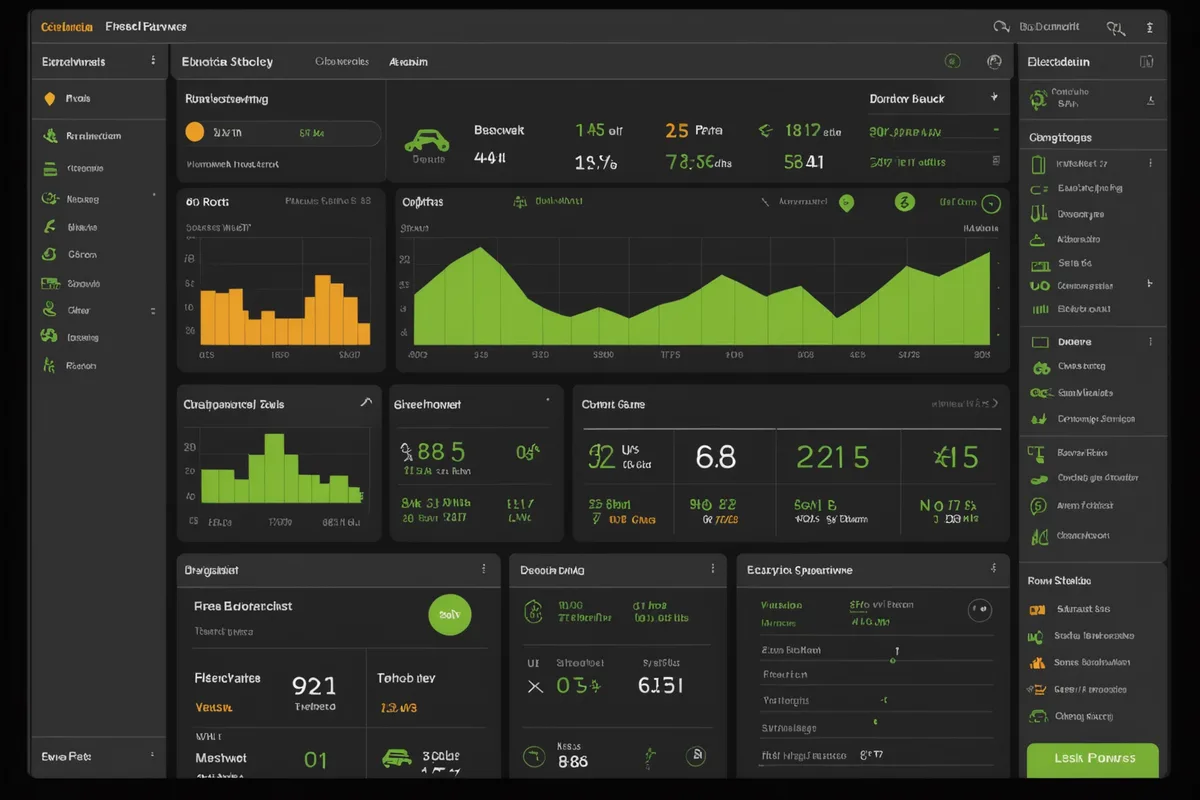
One screen, all 40 vehicles, tonight's plan
The dispatch view shows each vehicle's predicted SOC at return, its assigned charge window, and the depot's total power draw curve for the night. Change a route, the schedule updates in seconds.
Which operation fits yours?
50+ vans running urban routes with back-to-back shifts
Charge windows fit between shifts without depot power spikes
Technician vans with unpredictable call-out schedules
Predicted range gaps flagged 12 hours before dispatch
Fixed-route buses needing guaranteed SOC at each departure
Minimum-SOC contracts enforced in every charging schedule
Reefer units drawing extra load, cutting true EV range
Reefer consumption factored into per-trip energy prediction
What fleet managers say
We used to spend Friday afternoons manually sorting which vans charge first. Now the system handles it, and our demand charge line item dropped noticeably.
The route energy prediction is what sold me. It is not 'average range minus 15 percent.' It reads the actual delivery schedule and gives me a real number.
Works with your dispatch and charging hardware
Fleetvolts integrates via standard protocols: OCPP 1.6 and 2.0 for charger networks, telematics APIs for vehicle data, and webhook-based TMS connectors for route data. No proprietary lock-in.